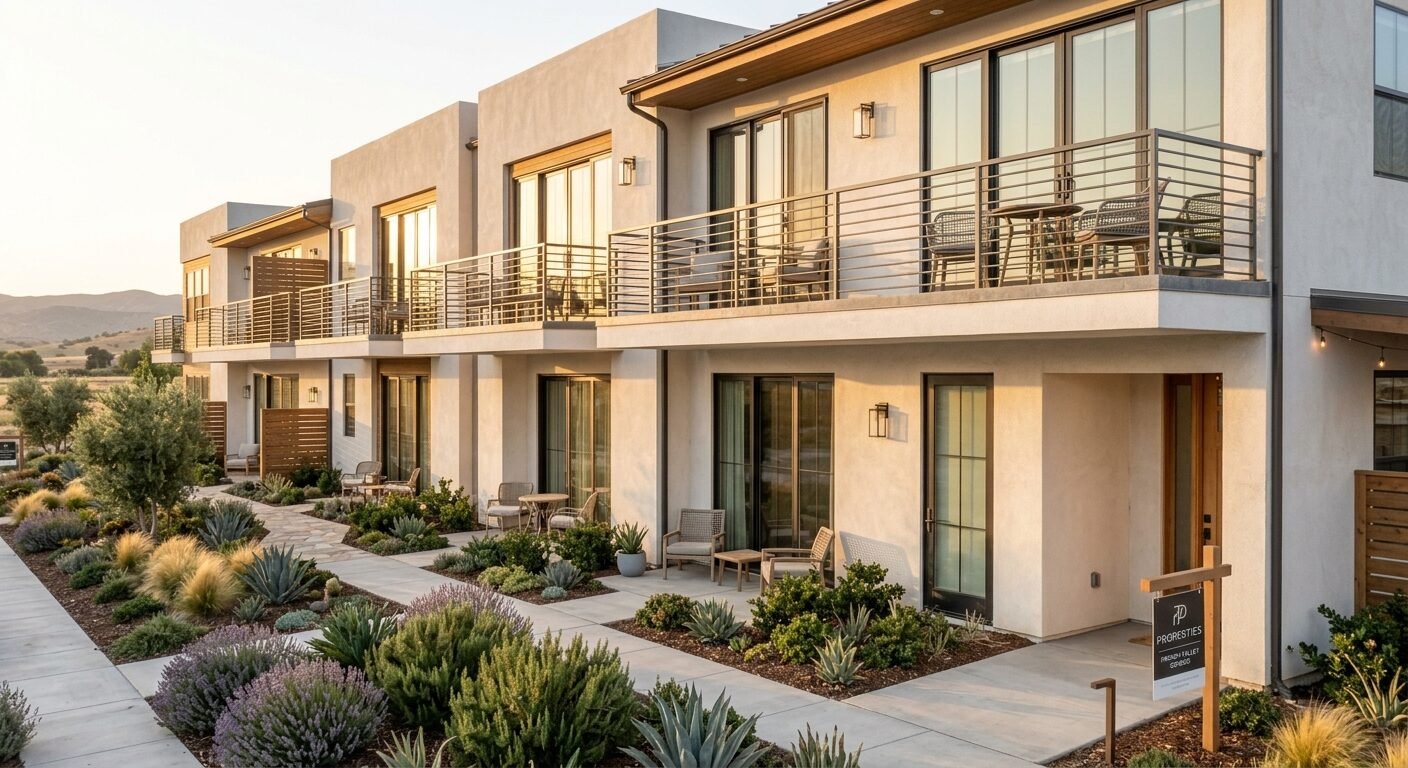
Start with the building.
Most buyers and agents focus on the unit. With condos, the deal is usually won or lost on the building. We give the building side the attention it deserves, which is why our condo buyers close with fewer surprises.

Every condo loan has three approvals.
Your credit can be perfect and your down payment ready, and a condo deal can still fall apart over something three floors above you. We call it the third approval.
You
Credit, income, assets, and monthly debts. This is the part every buyer expects.
The unit
Appraised value, condition, and whether it supports the price you offered.
The building
The HOA’s finances, insurance, litigation, and structural health. This is where deals stall, and where we focus first.
The Condo Buyer’s Playbook
The Third Approval, the 2026 rule changes, the HOA document checklist, and the ten questions to ask before you offer. Read it free, nothing gated.
Condo lending got stricter in 2026.
The biggest tightening of condo standards in a decade. You do not need to memorize the rulebook. Here is what actually matters. Guideline details are current as of July 2026 and subject to change.
Every building gets a full review
The old shortcut, put ten percent or more down and skip most of the building review, ends for applications dated August 3, 2026 and later. Many lenders already stopped using it.
A $50,000 deductible cap
The master policy deductible can now be at most $50,000 per unit, and your personal HO6 policy must cover your share. Lenders check both.
Unfunded repairs block financing
If inspections flag critical repairs over $10,000 per unit and the HOA has not set the money aside, the whole building becomes ineligible for conventional financing.
Reserve minimum rises to 15%
Today an HOA must save at least 10% of dues into reserves. In January 2027 the minimum becomes 15%. Buildings that barely pass today may fail next year.
The word that decides your loan options.
Warrantable is about the building’s health, not yours. It decides whether conventional financing is even on the table.
Warrantable
Meets Fannie Mae and Freddie Mac standards, which typically means conventional loans with the best rates and down payments as low as 3 to 5 percent for those who qualify.
Adequate reserves, no structural or safety litigation, adequate insurance within the new deductible cap, and no major unfunded repairs. Small buildings of 10 or fewer units can sometimes skip project review entirely.
Non-warrantable
Failed one or more tests, so financing shifts to specialty programs. It does not mean unbuyable, it means the strategy changes.
Common triggers: thin reserves or an active special assessment, construction-defect or structural litigation, insurance gaps, hotel-style features, or unfunded repairs over $10,000 per unit. One 2026 change in buyers’ favor: the old cap on investor-owned units was removed for most conventional loans.
The HOA document checklist.
The HOA package is the building’s medical record. Send it to us the day you get it, while you are still inside your contingency window and can still negotiate or walk.
CC&Rs and bylaws
Rental restrictions, pet limits, and anything that conflicts with how you plan to live or someday rent the unit.
Budget and balance sheet
Find the reserve contribution line. Under 10% of dues is a lender problem today, rising to 15% in January 2027.
Reserve study
An engineer’s estimate of upcoming big-ticket repairs and whether savings will cover them. Poor funding predicts special assessments.
12 months of minutes
Boards discuss leaks, lawsuits, and looming assessments in the minutes long before they appear anywhere else.
Master insurance certificate
Confirm replacement-cost coverage and check the deductible against the new $50,000 per-unit cap. Your HO6 must cover your share.
Litigation and SB 326 report
Active construction-defect or safety suits can block conventional financing. The SB 326 report shows balcony and walkway health.
Financing paths for non-warrantable condos.
If a project fails agency review, conventional is off the table but the purchase is not. These are the paths we use.
Non-QM condo programs
Follow their own rules instead of Fannie Mae’s. Expect roughly 10 to 20 percent down and a somewhat higher rate. Options for W2, self-employed, and 1099 income.
Portfolio lenders
Banks and credit unions that keep loans on their own books can approve buildings the agencies decline, especially local institutions that know the complex.
DSCR loans
Buying the condo as a rental? These qualify the deal on the unit’s rent rather than your personal income, and many accept non-warrantable projects.
Larger down payment
More equity widens the lender pool at every tier. At 25 to 30 percent down, options open up considerably.
Fix the building
Sometimes the failure is curable: a budget amendment, an insurance correction, or a litigation letter from the HOA’s attorney. We have closed deals by working with HOA management.
A different playbook
FHA and VA keep their own approved-project lists. A building can pass conventional review and still not be FHA approved, or the reverse. Have us check the lists before you fall for a building.
Found a building? Send the address before you offer.
Our building pre-review is free. We read the HOA documents through a lender’s eyes and flag financing problems while you can still negotiate or walk. Complexes we have already reviewed close faster.
The Condo Buyer’s Playbook, 2026 edition.
Everything on this page, plus the eight problems to spot before the lender does and a plain-English glossary, in one guide you can keep. Written for Southern California buyers and the agents who serve them.
Tell us where to send it and we will email you the full guide.
Informational only. Not a commitment to lend.
Condo financing questions.
What is the third approval on a condo loan?
When you buy a house, a lender approves two things: you and the property. A condo adds a third: the building itself. Lenders call this a condo project review, and it examines the HOA’s finances, insurance, litigation, and structural health. The building approval decides which loan programs you can use, what down payment is required, and sometimes whether conventional financing is possible at all. Buyers are often surprised by it, because your credit can be perfect and your down payment ready, and the deal can still stall over something happening elsewhere in the building. That is why we review the building side first.
What is the difference between a warrantable and non-warrantable condo?
A condo project is warrantable when it meets Fannie Mae and Freddie Mac standards, which typically opens access to conventional loans with the most competitive rates and lower down payments. A project is non-warrantable when it fails one or more of those tests, common triggers being underfunded reserves, active construction-defect or safety litigation, insurance gaps, major unfunded repairs, or hotel-style operations. Non-warrantable does not mean unbuyable. It means the financing strategy changes, usually a larger down payment and a specialty lender. Two lenders can even reach different conclusions on the same building, which is exactly where a broker who reviews the HOA documents up front helps.
What changed with condo lending rules in 2026?
In March 2026, Fannie Mae and Freddie Mac announced the biggest tightening of condo lending standards in a decade. The key change, effective for applications dated August 3, 2026 and later, ends the old shortcut that let buyers put ten percent or more down and skip most of the building review. Every building now gets a full review. Other changes include a fifty thousand dollar per-unit cap on the master insurance deductible, a rule that critical unfunded repairs over ten thousand dollars per unit make a building ineligible for conventional financing, and a reserve minimum rising to fifteen percent of dues in January 2027. These details are current as of July 2026 and subject to change.
Can I still buy a condo if the building fails lender review?
Often yes. If a project fails agency review, conventional financing is off the table but the purchase is not. The main paths are non-QM condo programs, which follow their own rules and generally want roughly ten to twenty percent down; portfolio lenders such as local banks and credit unions that keep loans on their own books; DSCR loans if you are buying the condo as a rental; and simply putting more down, since more equity widens the lender pool. Sometimes the failure is curable through a budget amendment, an insurance correction, or a litigation letter from the HOA’s attorney. A non-warrantable condo often sells at a discount, so it can still be a sound purchase if the tradeoff is priced in.
Does the California balcony law (SB 326) affect condo financing?
It can. California Senate Bill 326 requires condo associations to inspect balconies, decks, and elevated walkways. Buildings that deferred those repairs are now facing bills, and under the 2026 rule that critical unfunded repairs over ten thousand dollars per unit block conventional financing, those bills can directly affect whether a building qualifies. Two useful questions before you make an offer: has the building completed its SB 326 inspection and what did it find, and is any special assessment planned or in progress? The answers tell you more about the next five years of ownership than the finishes do.